7 March 2026–3 May 2026

Yervant Gianikian and Angela Ricci Lucchi / Theresa Hak Kyung Cha

In the spring of 2026, Marabouparken konsthall will show two films in the upper gallery. The films will be screened separately but have thematic similarities and aesthetic affinities.

The exhibitions are curated by Marabouparken konsthall in collaboration with Martin Grennberger, writer and curator based in Stockholm. Both films will be accompanied by programs.

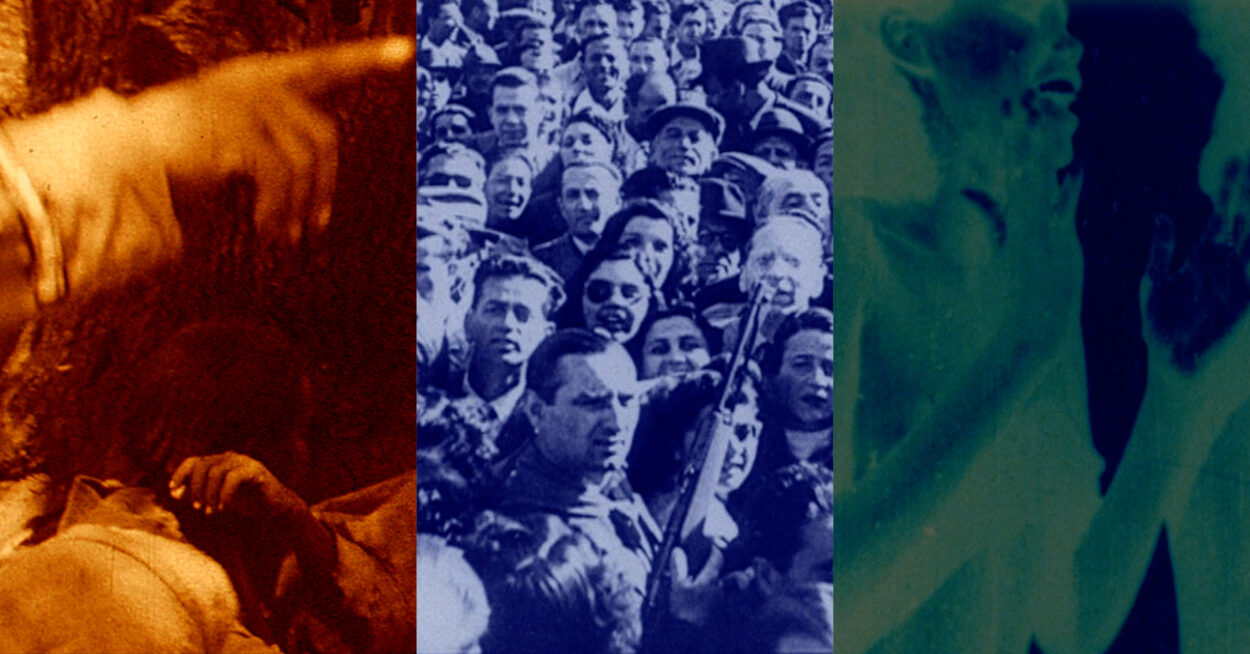
Yervant Gianikian and Angela Ricci Lucchi depict how Italy’s colonial legacy and Italian fascism were closely intertwined. In Theresa Hak Kyung Cha’s film, the Japanese colonial history is entangled with the domestic oppression of the time. The film was intended to be set in Mongolia, where many Koreans fled during the Japanese occupation of Korea from 1909 to 1945. The filmed material was shot in May 1980, the same month as the great popular uprisings – most famously the student uprising and the Kwangju massacre  – against the fascist-like military dictatorship.

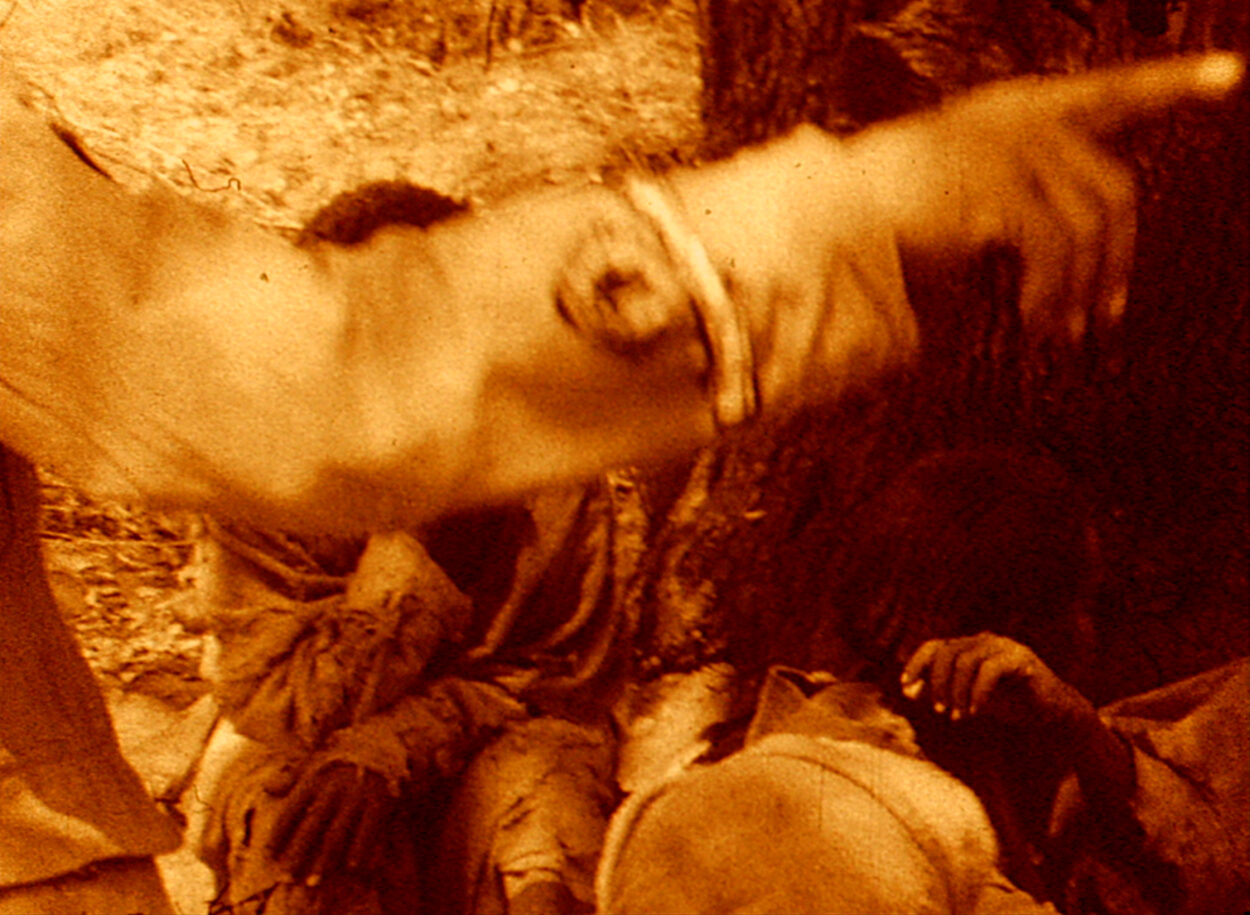
In both films, there is an awareness of the camera’s particular gaze and relationship to memory and historiography. The historical, documentary material in Yervant Gianikian and Angela Ricci Lucchi’s film is processed, extended in time, and mixed with contemporary elements. Theresa Hak Kyung Cha’s footage consists of slow, poetic images where the artist’s own  visible hand connects to the present. The visible hand recurs in Yervant Gianikian and Angela Ricci Lucchi’s film, as does the paradoxical beauty of the images.
Programs in conjunction with the exhibition Yervant Gianikian and Angela Ricci Lucchi: Pays Barbare 

March 12, 6pm Conversation about Yervant Gianikian and Angela Ricci Lucchi’s cinematic practice

Programs in conjunction with the exhibition Theresa Hak Kyung Cha: White Dust from Mongolia

April 9, 5pm–7pm Opening and introduction by Martin Grennberger at 6pm
April 19, 12pm–4pm Repeating and unravelling I: Workshop in speculative translation. With Jennifer Hayashida and Sara Wengström
May 2, 1pm–2pm Repeating and unravelling II: Readings in the library by Leila Inanna Sultan, Jenny Nguyen, Burcu Sahin and Athena Farrokhzad. The program is organized by Jennifer Hayashida.

March 7–March 29, 2026

Yervant Gianikian and Angela Ricci Lucchi:
Pays Barbare (2013)

Uniformsklädd hand som pekar. Fotografi.
Screenshot

Yervant Gianikian and Angela Ricci Lucchi work with archival material, taken from both known and unknown film archives. Since the 1970s, they have, in performance, films and installations, examined the colonialism, fascism, war, population movements and diasporic patterns that informed much of the 20th century. The main material in Pays Barbare (2013) comes from the years 1926 to 1937 and shows the Italian imperialist rampages in Libya and Abyssinia (present-day Ethiopia) and their connection to fascism under Il Duce, Benito Mussolini. Through a dissection and thorough processing of the images, historical layers are revealed and shifts in relation to the colonial gaze are intensified. The film shows the barbaric injustices during this phase of Italian fascism as well as raises compelling questions in the present.

Yervant Gianikian (b.1942, Italy) and Angela Ricci Lucchi (1942–2018, Italy).
The film is 65 min. Thanks to Yervant Gianikian.

April 9–May 3, 2026

Theresa Hak Kyung Cha:
White Dust from Mongolia

Theresa Hak Kyung Cha, White Dust from Mongolia. Credit line for the source of White Dust from Mongolia: University of California, Berkeley Art Museum and Pacific Film Archive.

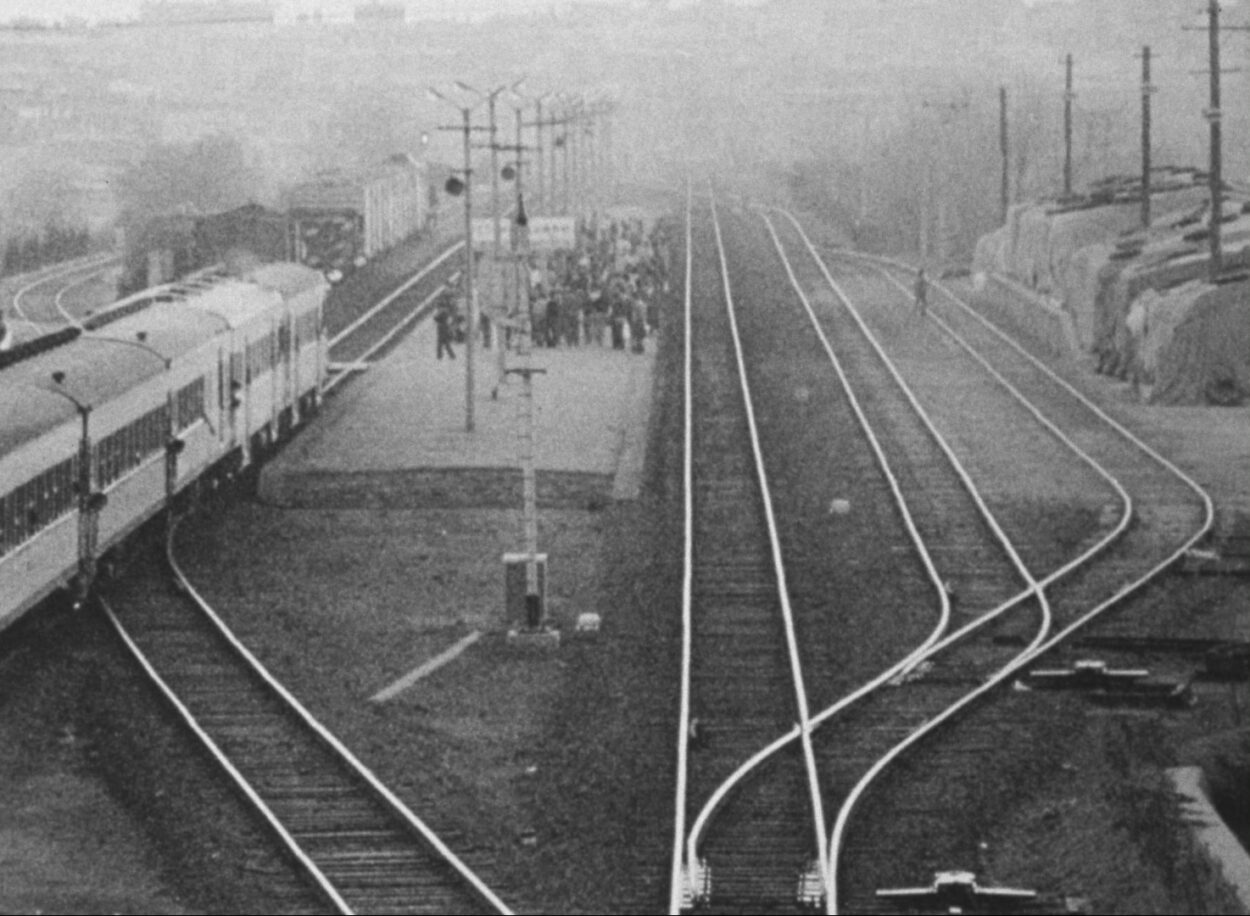
Theresa Hak Kyung Cha (1951–1982) was an American writer and artist of Korean origin. She is best known for her 1982 masterpiece, the genre defying book project Dictée, and her film works. In May 1980, Theresa Hak Kyung Cha traveled from New York to Seoul with her younger brother, James, to begin filming White Dust from Mongolia. It is her most ambitious film work but was still unfinished at the time of her death in 1982. The project description tells of a female protagonist with a fictional or speculative past, afflicted with amnesia and verbal memory loss. Due to political unrest, the work could not be completed on site, and what we have left is just over half an hour of footage of marketplaces, parks, railroad tracks, and other urban environments; images that, in their desolation and poetic density, allude to and activate questions of place and loss of place, diaspora and historical violence, “physical and psychological” displacement, questions that Theresa Hak Kyung Cha repeatedly addressed.

The film is 30 min. Thanks to Pacific Film Archive, Berkeley, USA.

Events and talks